Proud members of:



Three educators combine their experiences of translating (and coordinating teams who translated) teaching materials from English into Ukrainian, Italian, Spanish and other human languages. They provide an actionable blueprint of how to start, run and maintain big translation projects, especially in the context of teaching coding. How do you make sure all translators are on the same page? What concepts do you translate and which do you leave in English? How do you ensure good quality of translations and motivate teams of translators (who are frequently volunteers)? This chapter has all the answers. Spoiler alert: it is all about process, source control, and synchronising expectations within the team.
This chapter is for you if you take part in (or manage) any translation projects, even if only tangentially connected to coding. Indeed, you will learn a lot about: coordinating teams; shaping quality-assurance processes; and future-proofing content. This chapter shows that anything worth doing, deep inside, is about project management and empathy.
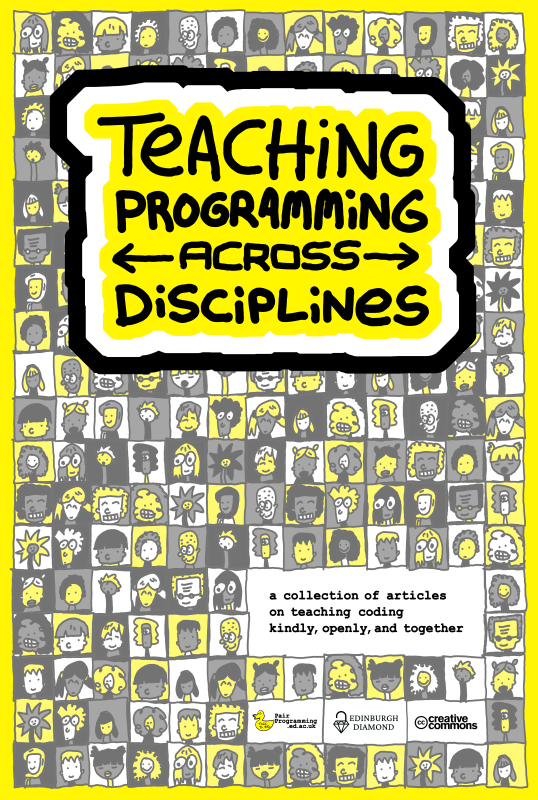

This work is licensed under a Creative Commons Attribution-NonCommercial-ShareAlike 4.0 International License.
Proud members of:

About | Contact Us | Take Down Policy | Privacy | Cookies | Accessibility Statement | Accessibility Statement (backend) | Freedom of Information | Terms and Conditions
Edinburgh Diamond Service Homepage | Resources | Submit a Book Proposal
The University of Edinburgh is a charitable body, registered in Scotland, with registration number SC005336, VAT Registration Number GB 592 9507 00, and is acknowledged by the UK authorities as a “Recognised body” which has been granted degree awarding powers.