Proud members of:




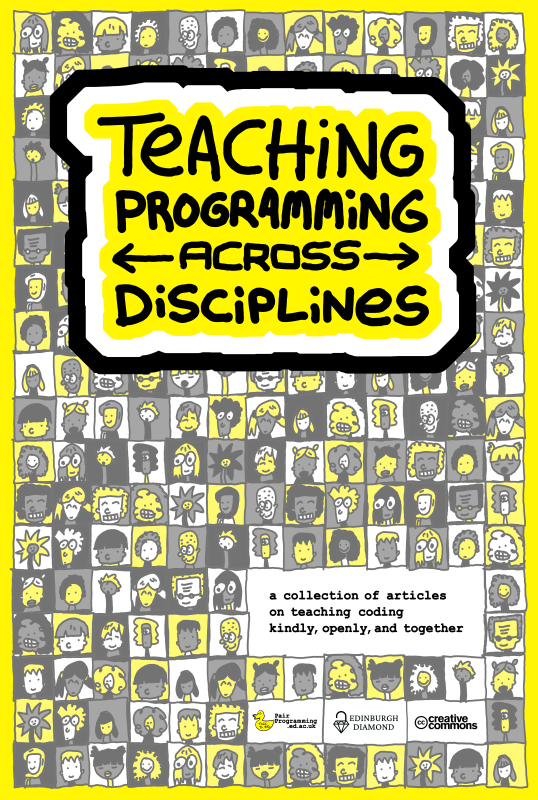
Generative AI has changed what assessment design, marking, and feedback can look like, and this chapter is a practical guide to using it better. The authors walk through the full lifecycle of an assessment: using large language models (LLMs) to draft multiple-choice questions, write assignment briefs, build marking rubrics, and generate model solutions supporting students as an exploratory tool during the work itself and using AI to speed up the writing of personalised feedback at the end.
The authors’ approach is LLM-agnostic and committed to human oversight, making it clear that the chapter sees GenAI as a tool for educators, not a replacement for their expertise.
This chapter is for you if you are curious about how AI can reduce the workload of assessment design and feedback without compromising quality or fairness. Even if you are sceptical about AI in teaching, the chapter’s structured, step-by-step prompting examples make it easy to experiment. It is especially relevant for large courses where creating varied assessments and providing timely feedback at scale is a challenge.

This work is licensed under a Creative Commons Attribution-NonCommercial-ShareAlike 4.0 International License.
Proud members of:

About | Contact Us | Take Down Policy | Privacy | Cookies | Accessibility Statement | Accessibility Statement (backend) | Freedom of Information | Terms and Conditions
Edinburgh Diamond Service Homepage | Resources | Submit a Book Proposal
The University of Edinburgh is a charitable body, registered in Scotland, with registration number SC005336, VAT Registration Number GB 592 9507 00, and is acknowledged by the UK authorities as a “Recognised body” which has been granted degree awarding powers.