Proud members of:




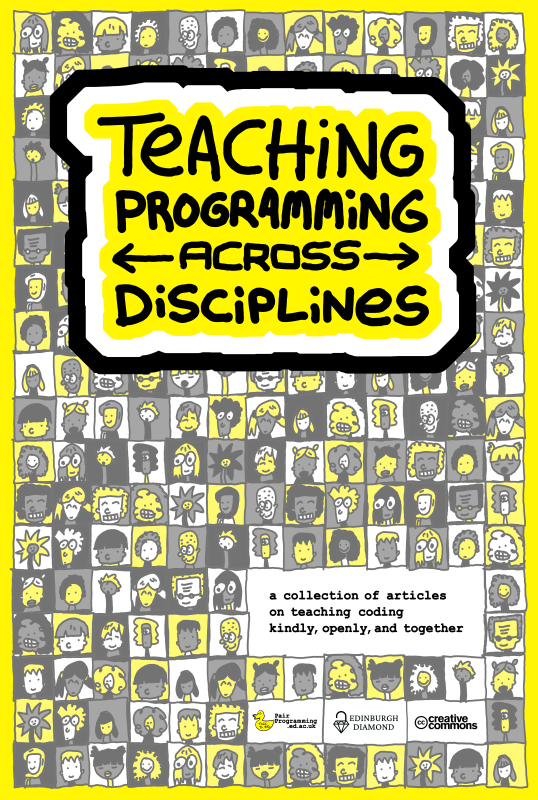
What if, instead of averaging marks across a course, students simply had to demonstrate each skill and could keep trying until they did? That is the core idea behind the skills-based assessment framework discussed in this chapter, and the author makes a compelling case for it in the context of teaching programming to novices. The author, a lecturer in Psychology at the University of Edinburgh teaching statistics using R, argues that traditional grading harms students who are already anxious, behind the pace, or facing structural disadvantages. The skills-based framework (where students earn skills permanently, are not penalised for re-attempts, and receive feedback on every attempt) shifts the dynamic entirely. The chapter includes a detailed account of how the author’s team is redesigning their first-year statistics course around this framework.
This chapter is for you if you teach programming to students who did not come for the programming (e.g., psychologists, social scientists, engineers), and want a principled alternative to marks-based grading. It is also an interesting reading if you care about equity in your classroom as the chapter examines the disadvantages faced by many students and argues that the flexibility of skills-based assessment is not just to be considered pedagogically but also ethically.

This work is licensed under a Creative Commons Attribution-NonCommercial-ShareAlike 4.0 International License.
Proud members of:

About | Contact Us | Take Down Policy | Privacy | Cookies | Accessibility Statement | Accessibility Statement (backend) | Freedom of Information | Terms and Conditions
Edinburgh Diamond Service Homepage | Resources | Submit a Book Proposal
The University of Edinburgh is a charitable body, registered in Scotland, with registration number SC005336, VAT Registration Number GB 592 9507 00, and is acknowledged by the UK authorities as a “Recognised body” which has been granted degree awarding powers.